

Heidi Brandow
Heidi K. Brandow (Diné and Kānaka Maoli) is an artist, curator, writer, and educator based in Santa Fe, New Mexico. Her interdisciplinary practice is grounded in Indigenous knowledge systems, land-based epistemologies, and relational forms of exchange. Her work explores how cultural memory, place, and community shape contemporary artistic and curatorial practices across local and transnational contexts.
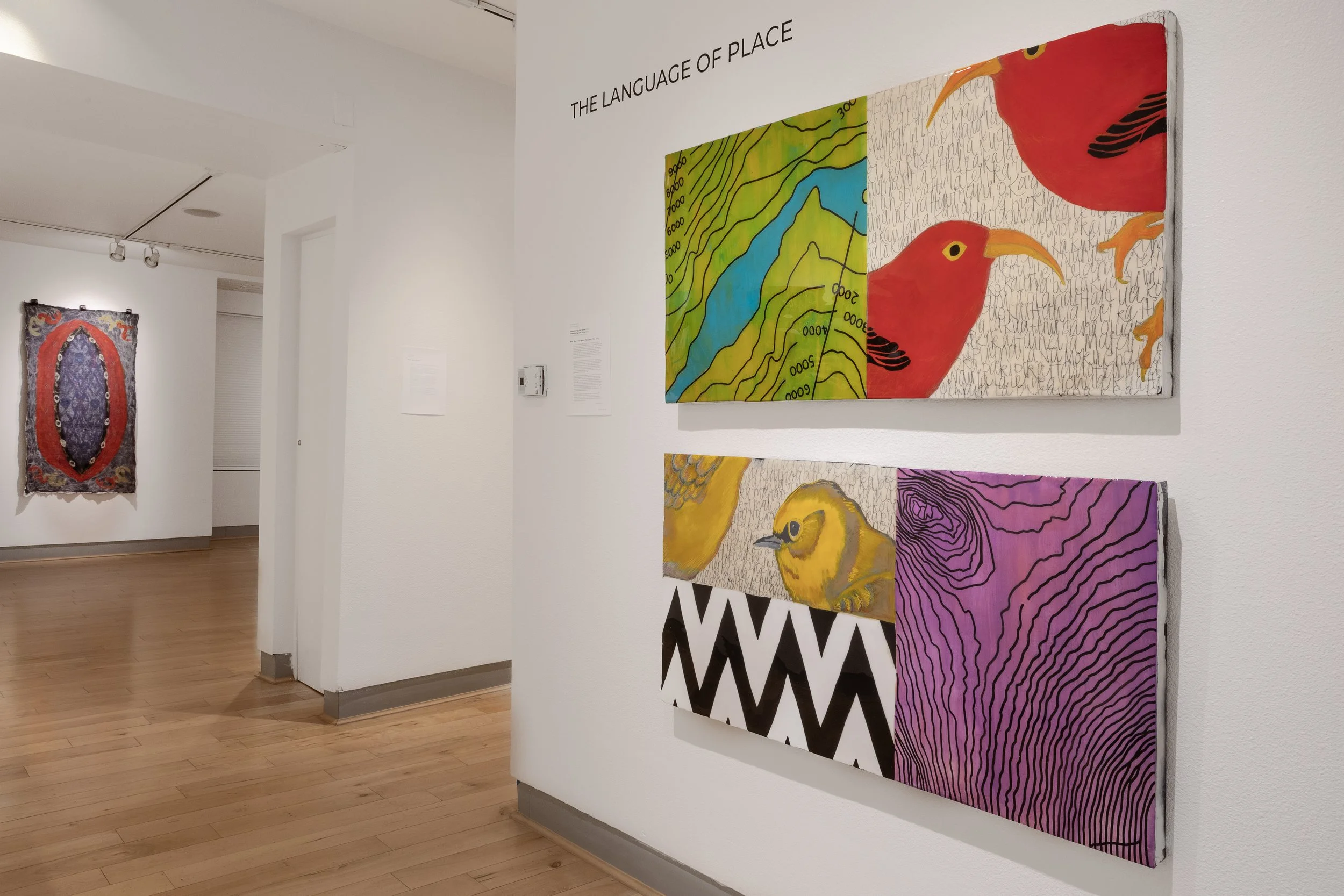
At the center of Brandow’s curatorial work is a commitment to Indigenous-led methodologies, artist-centered collaboration, and forms of accountability grounded in reciprocity and care. Her current research project, The Language of Place: From Nomadic Exchange to Futures of Memory and Land, a forthcoming 2028 exhibition at the Institute of American Indian Arts Museum of Contemporary Native Arts, examines histories of Indigenous transnational exchange connecting Central Asia, Native North America, and the Pacific. Through exhibitions, writing, and research, she investigates the intersections of Indigenous contemporary art, cultural sovereignty, design, and community-based knowledge transmission.
Brandow recently served as editor of Brian Johnson’s Design to be Red: Indigenous Graphic Design, the first major publication dedicated to Native American and Indigenous graphic design. A graduate of the Institute of American Indian Arts, she is a co-founder of the Harvard Indigenous Design Collective and has studied design at Istanbul Technical University and the Harvard Graduate School of Design.
She is a 2026 Forge Project Fellow, a recipient of a New York Foundation for the Arts / Anonymous Was A Woman Grant, and the Andy Warhol Foundation for the Visual Arts Curatorial Research Fellow 2026.
Brandow’s artistic and curatorial practice is rooted in Indigenous knowledge systems, land-based epistemologies, and the enduring relationships among people, place, and cultural memory. Drawing from her Diné and Kānaka Maoli heritage, she approaches art and exhibition-making as forms of exchange: spaces in which ancestral knowledge, contemporary experience, and collective futures come together.
Her research traces Indigenous networks across Native North America, the Pacific, and Central Asia, examining how histories of movement, connection, and cultural continuity endure across geographies. Through this work, she considers how artistic and cultural knowledge travels while remaining grounded in the distinct relationships, responsibilities, and histories of particular places.
At the heart of Brandow’s practice is a commitment to reciprocity, care, and Indigenous-led ways of knowing. Her exhibitions function as spaces of gathering rather than simply sites of display, foregrounding dialogue, knowledge transmission, and the living presence of land within contemporary art.
Guided by a desire to “prioritize Indigenous perspectives in the creation of ethical and sustainable forms of artistic expression,” Brandow understands her practice as “a culmination of honoring our traditional knowledge while exploring new materials, concepts, and approaches to making art.” This philosophy brings ancestral memory into dialogue with experimentation and future possibility, positioning artistic and curatorial practice as a means of sustaining relationships while creating new forms of exchange.
Our Foundation’s fellowship will support Brandow’s research and the continued development of THE LANGUAGE OF PLACE: FROM NOMADIC EXCHANGE TO FUTURES OF MEMORY AND LAND. This support will enable sustained engagement with artists, communities, archives, and cultural knowledge holders across the regions central to the project.
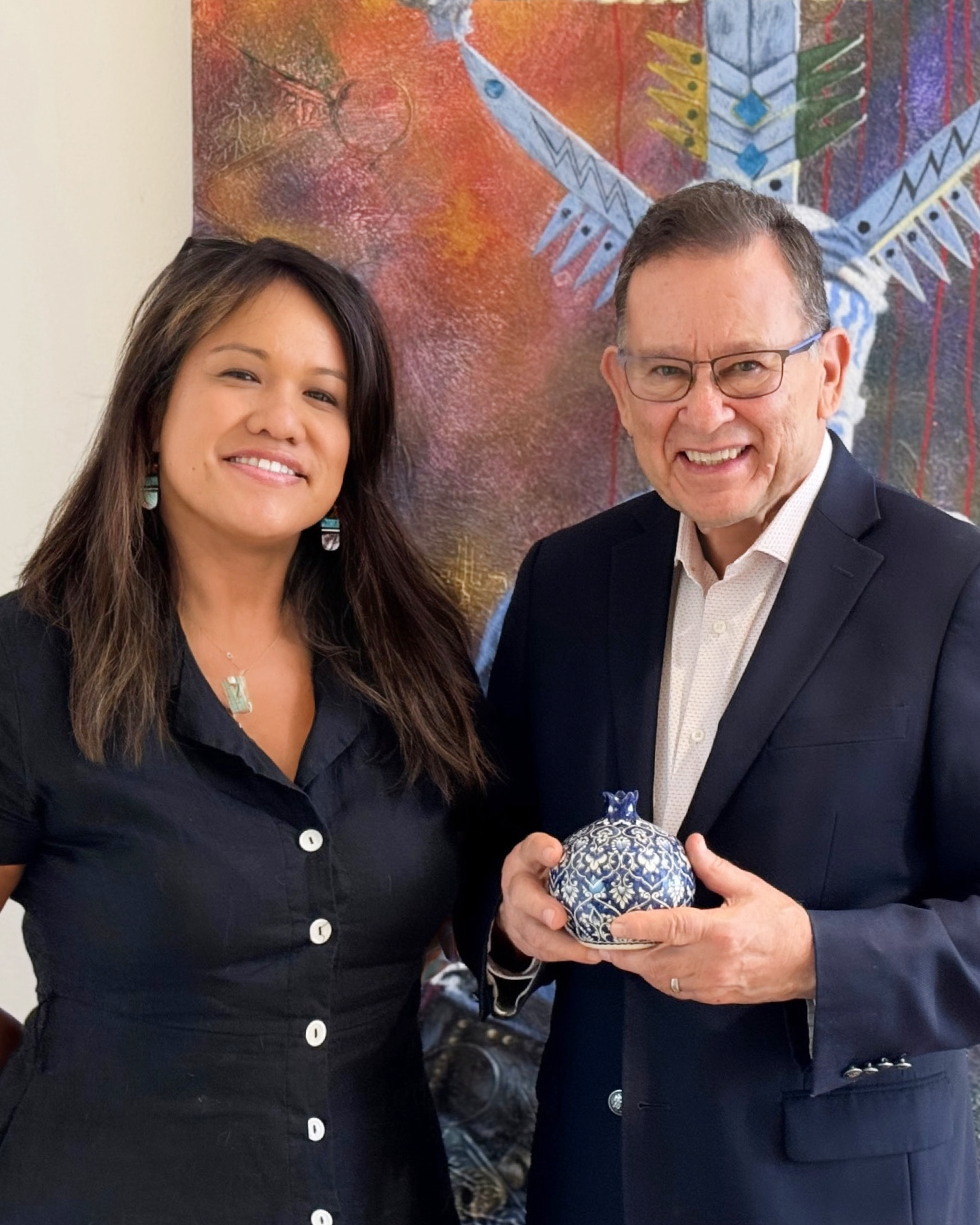
Brandow presents Dr. Robert Martin (Cherokee Nation), former Institute of American Indian Arts President, with a gift from master ceramicists in Uzbekistan in recognition of his support for the Nomadic Exchange initiative
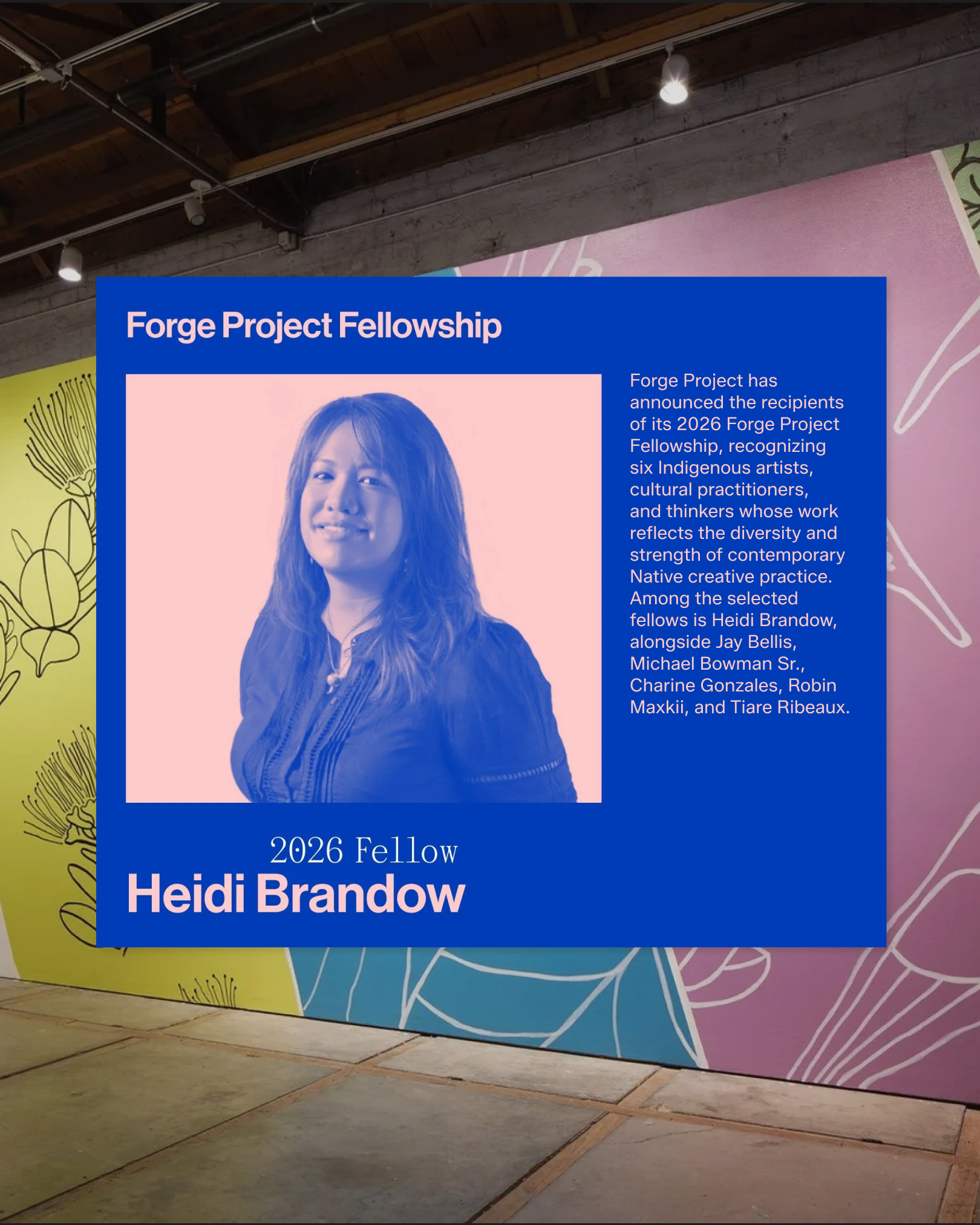
Brandow received the 2026 Forge Project Fellowship
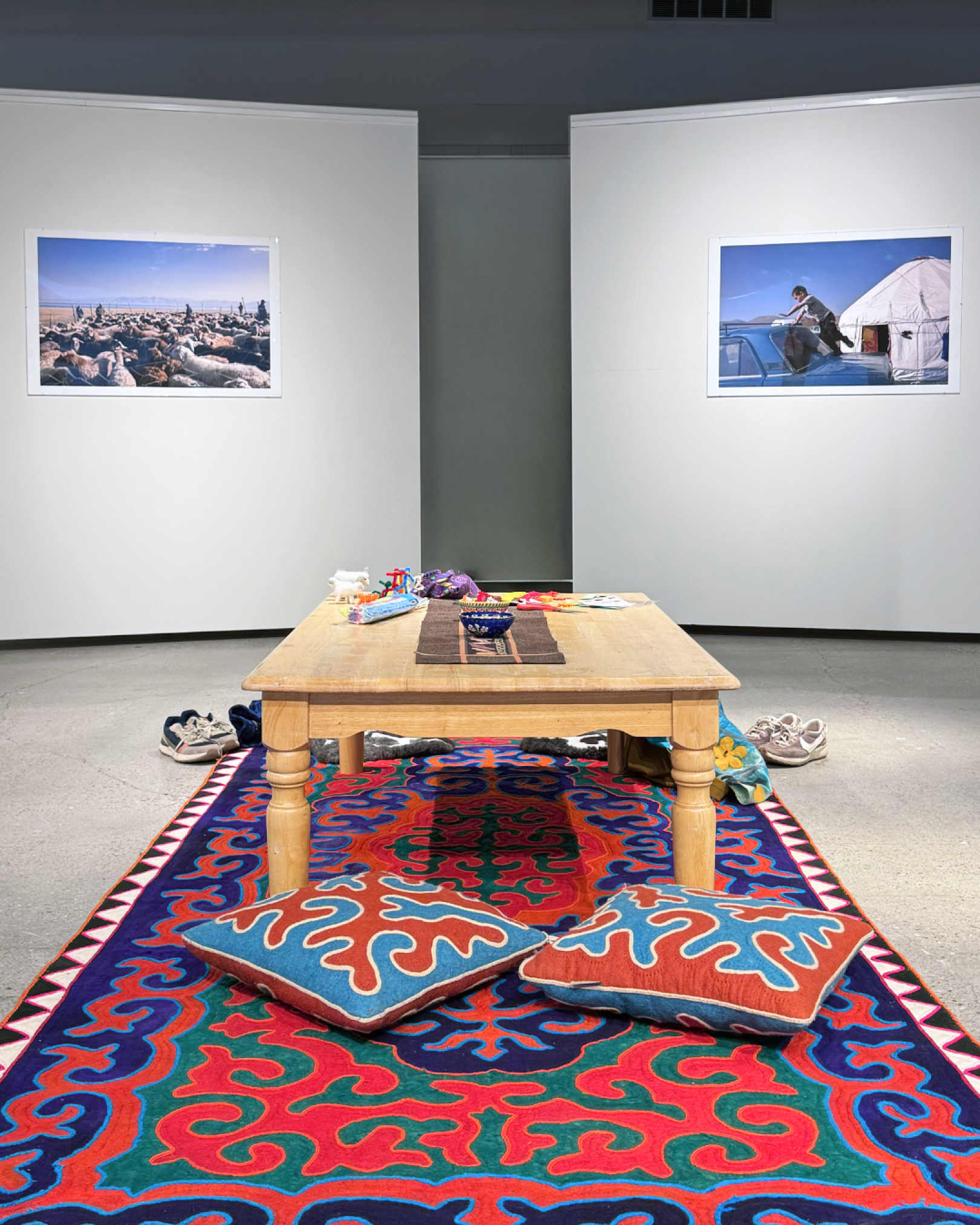
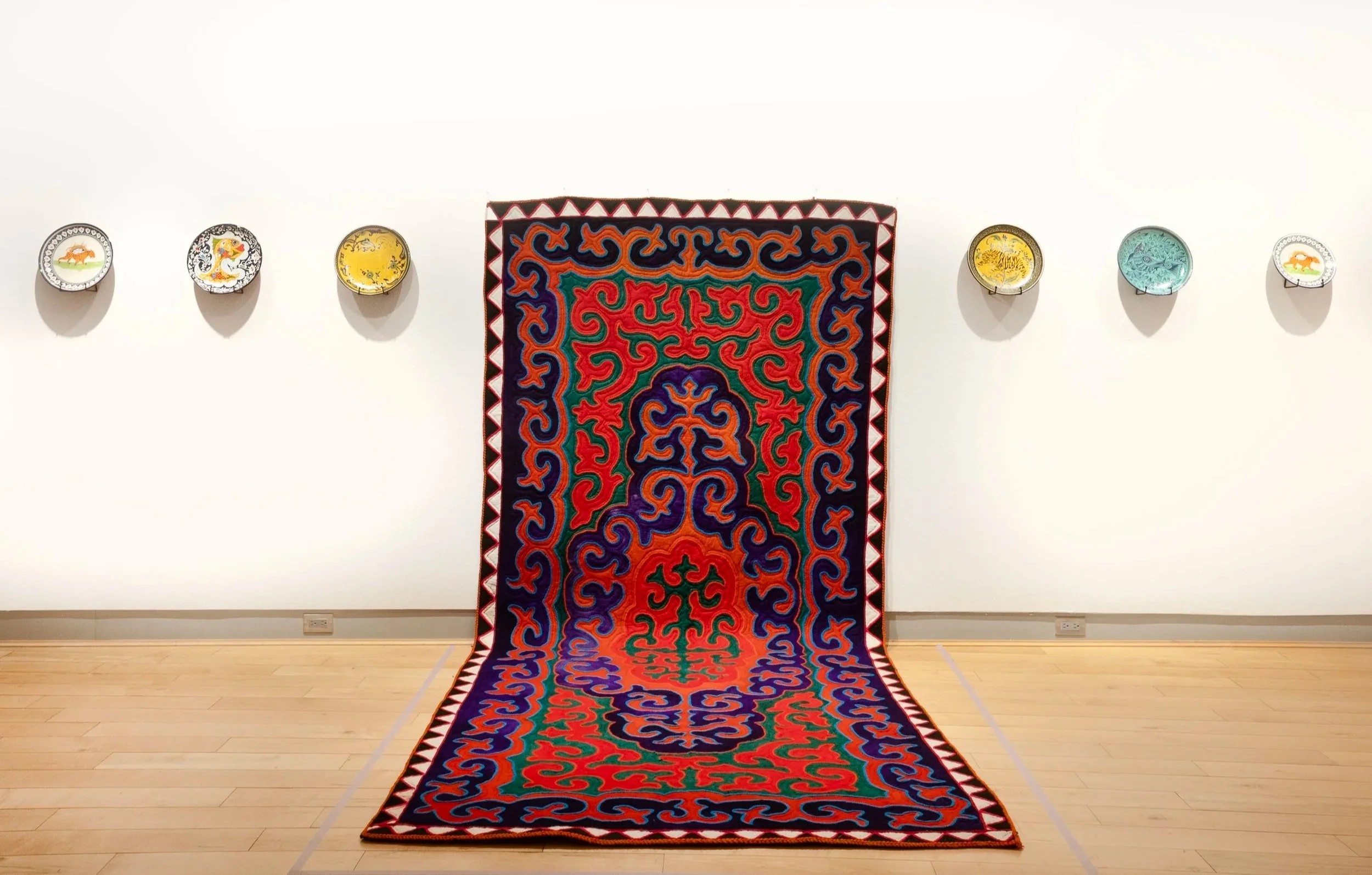
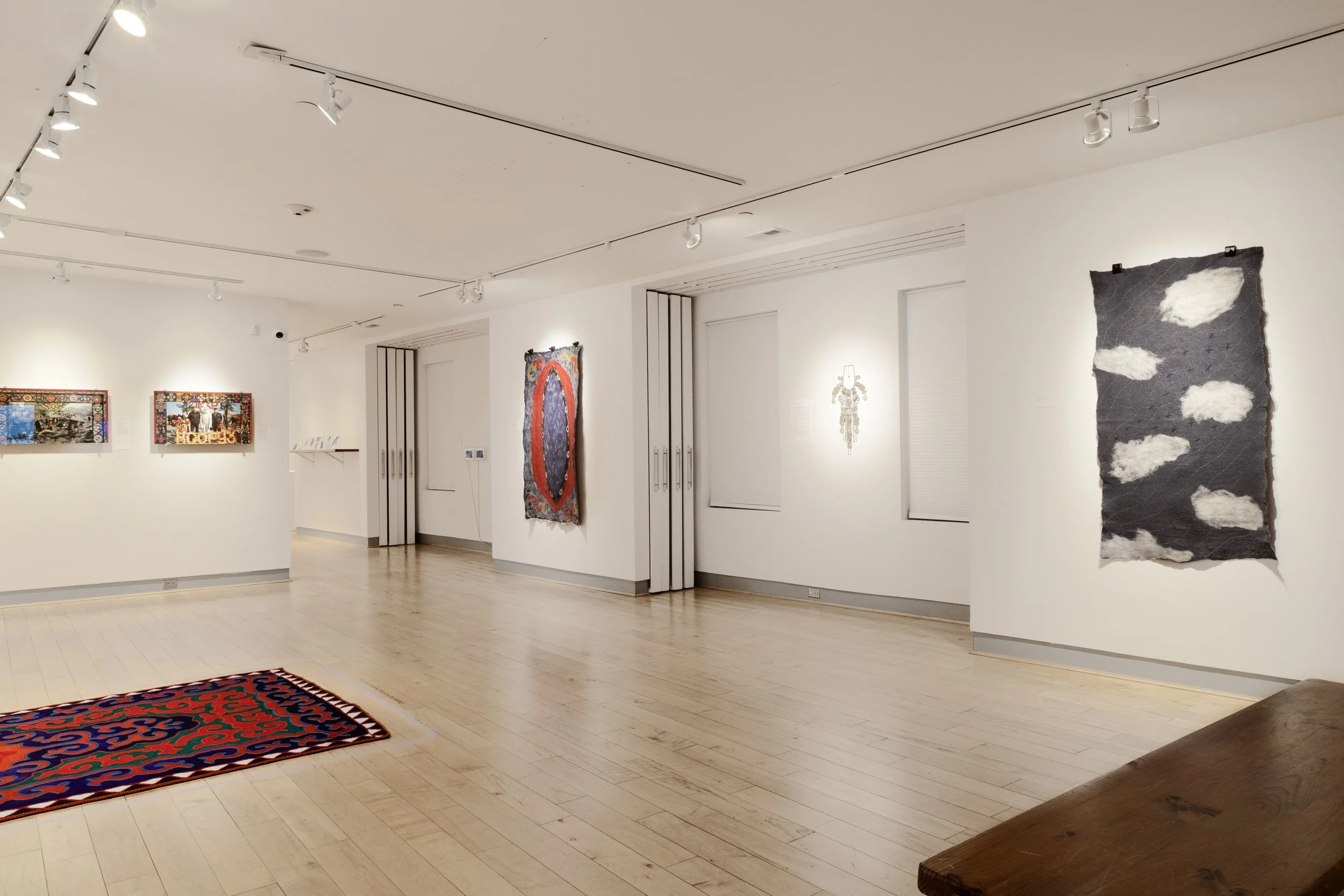
Installation view of The Language of Place
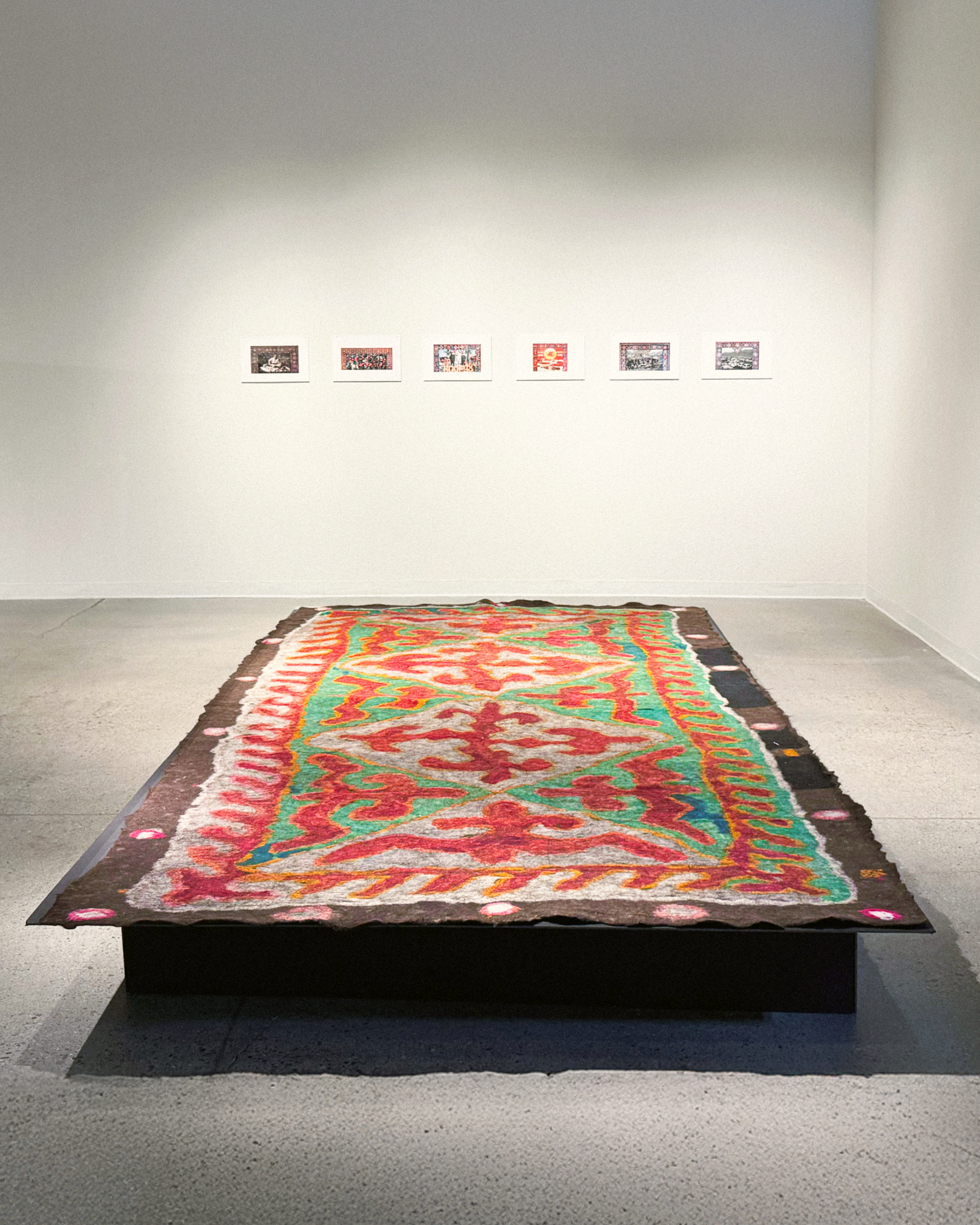
Installation view of The Language of Place
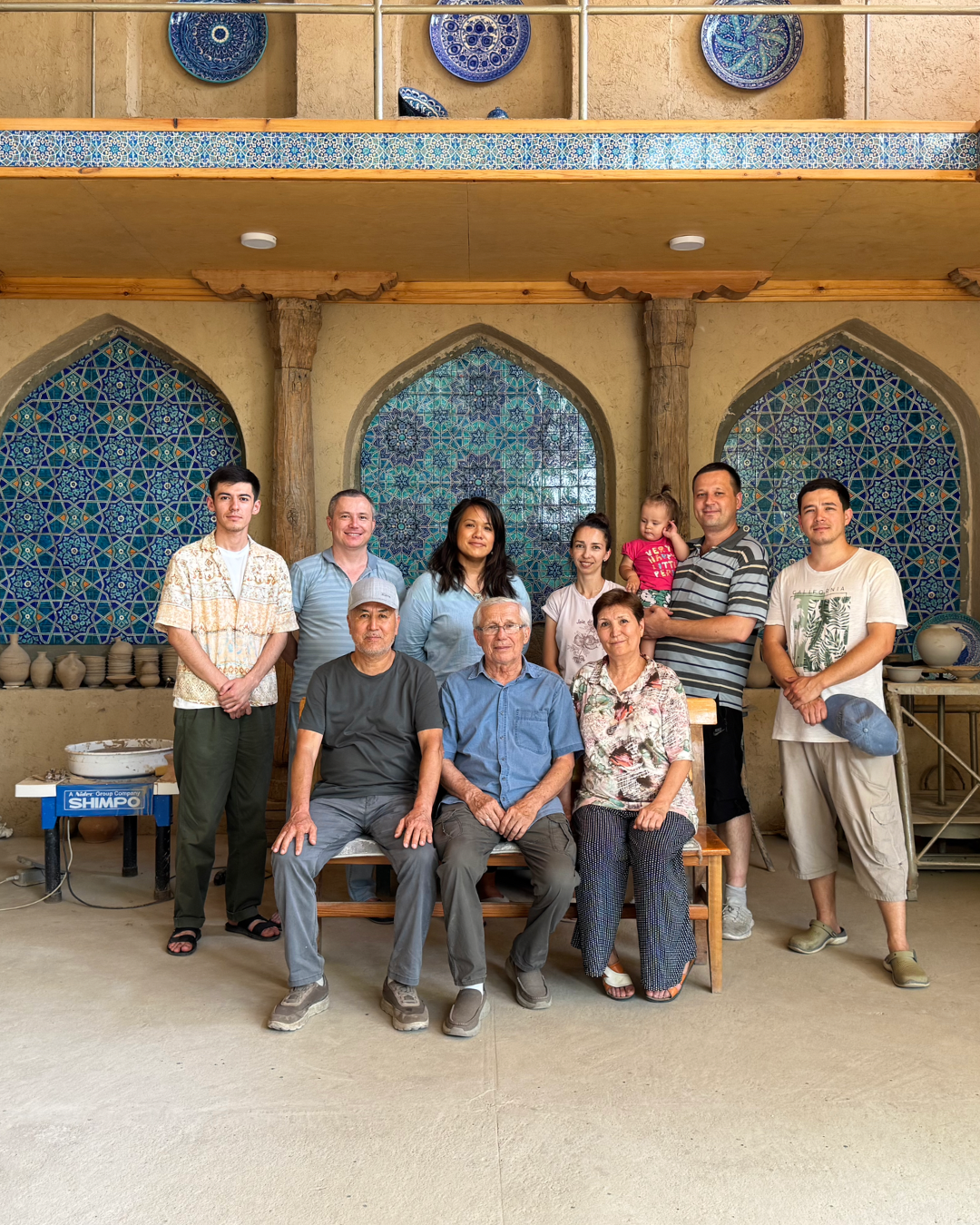
Curatorial visit to the studio of master ceramicist Rustam Usmanov in the Fergana Valley, Uzbekistan
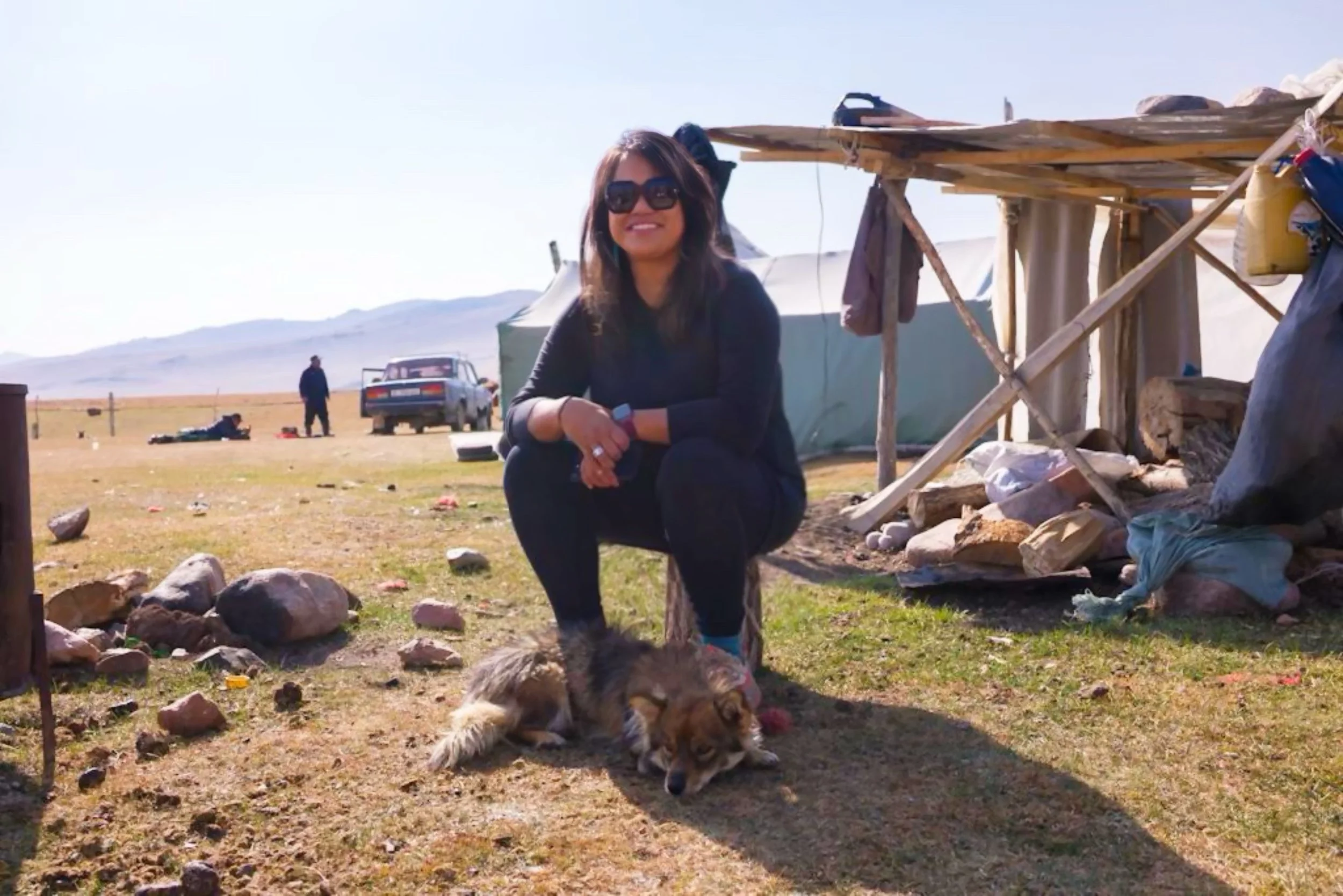
Brandow during the Nomadic Exchange in Kyrgyzstan in the Song-Kul region
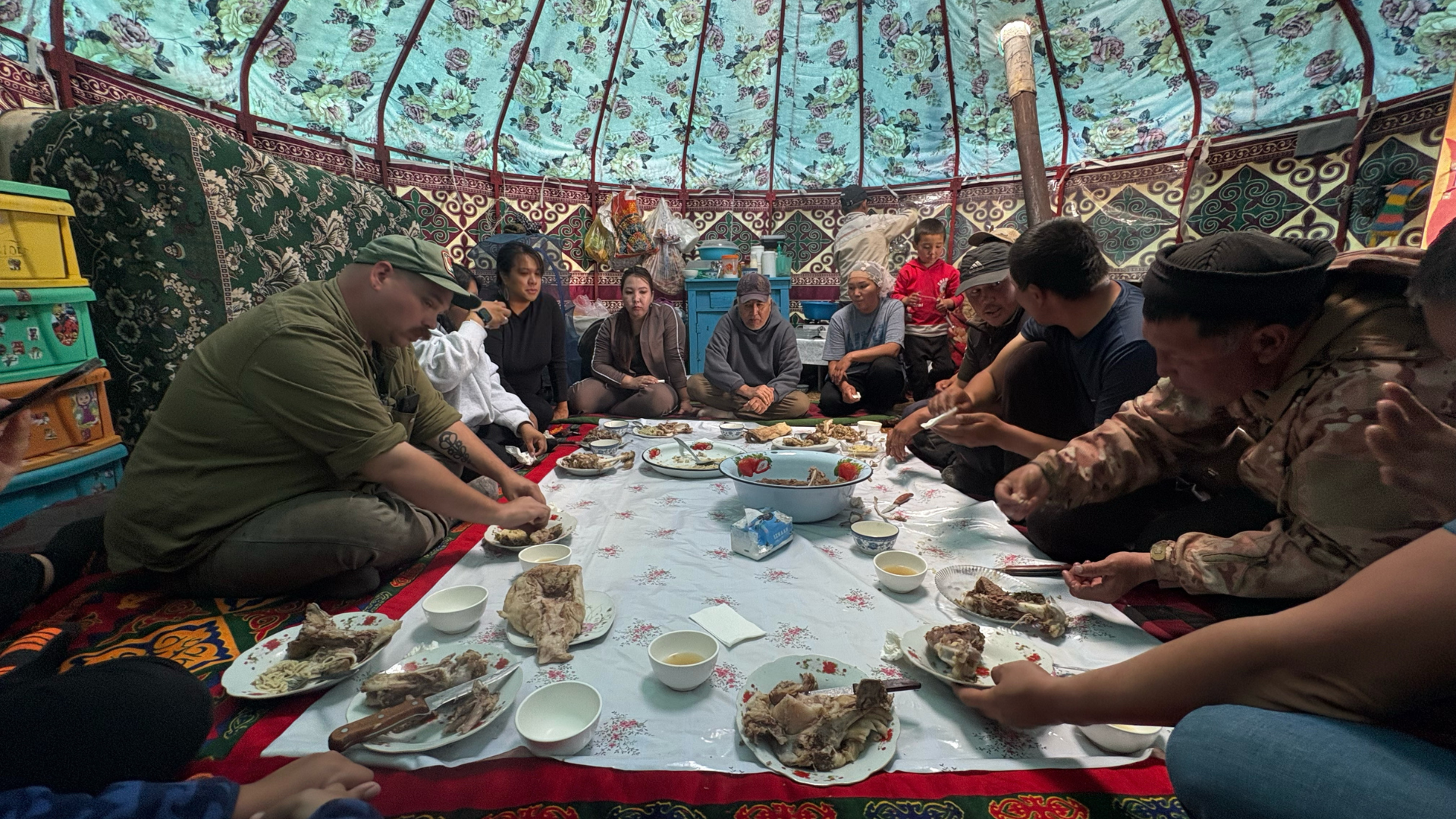
Nomadic Exchange in Kyrgyzstan, at a nomadic family's home in the Song-Kul region
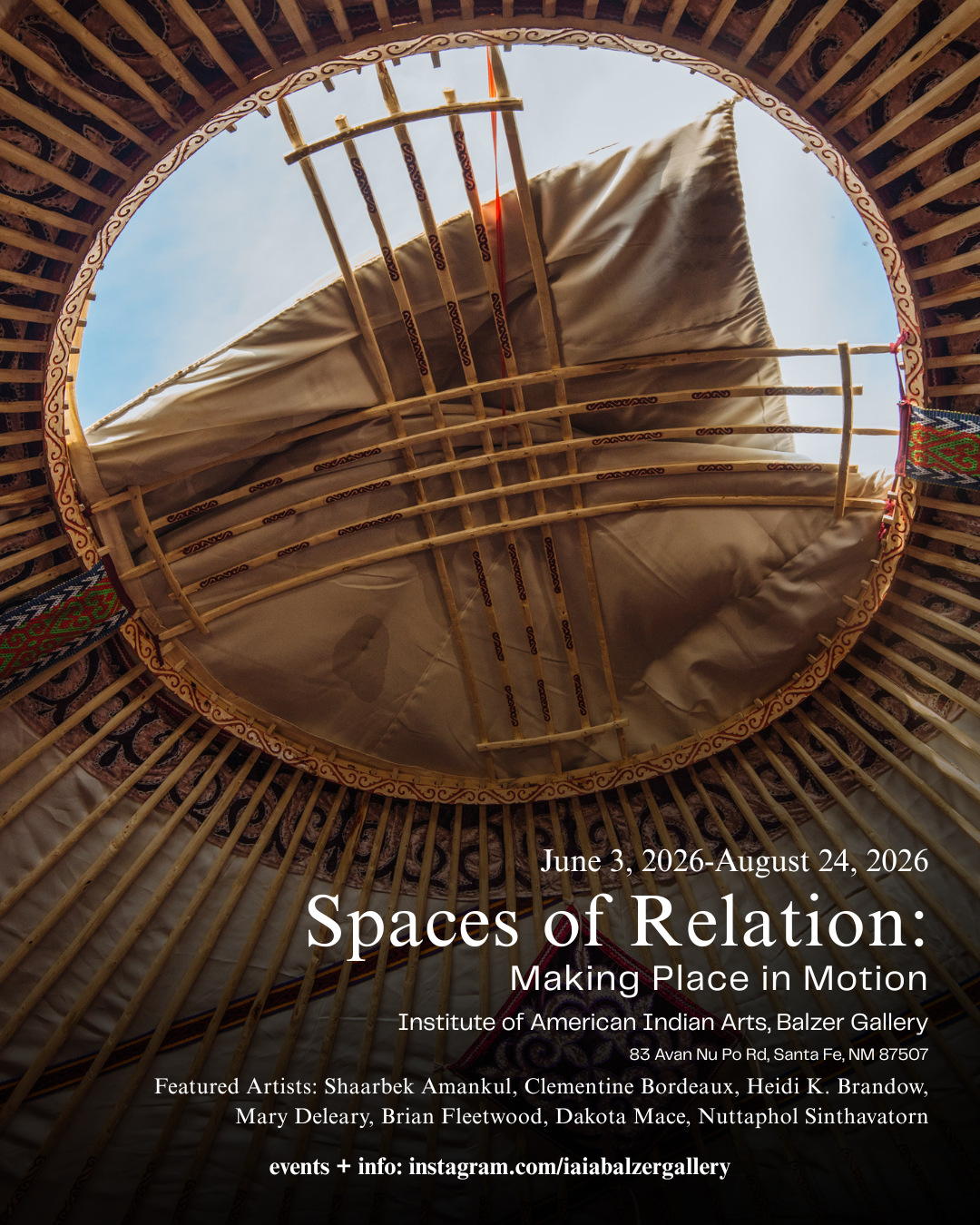
Spaces of Relation: Making Place in Motion brings together artists, scholars, and culture bearers from Indigenous communities across North America and Central Asia to explore how knowledge, memory, and community are created through movement, exchange, and shared presence
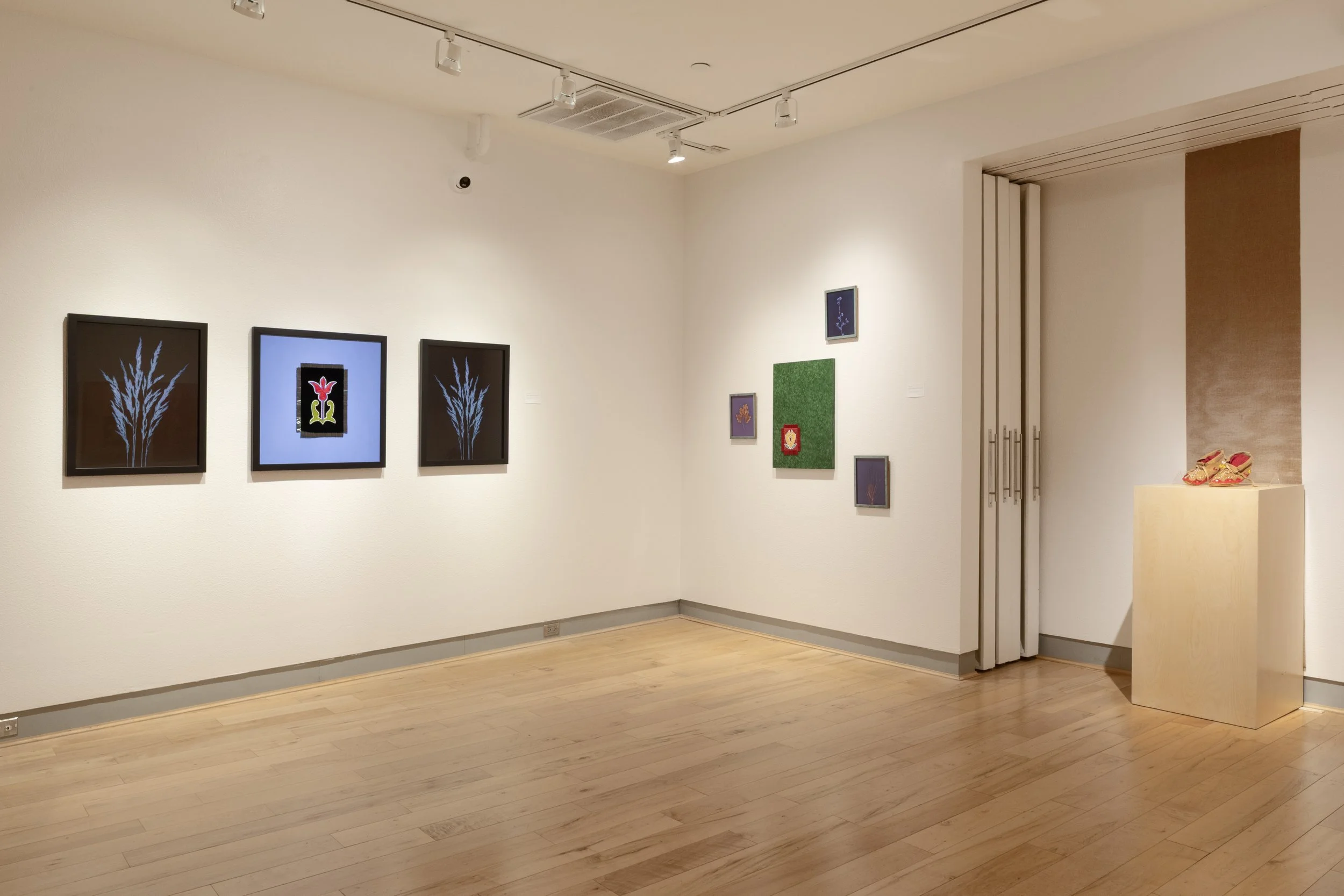
Installation view of The Language of Place