
Charlie Perez-Tlatenchi
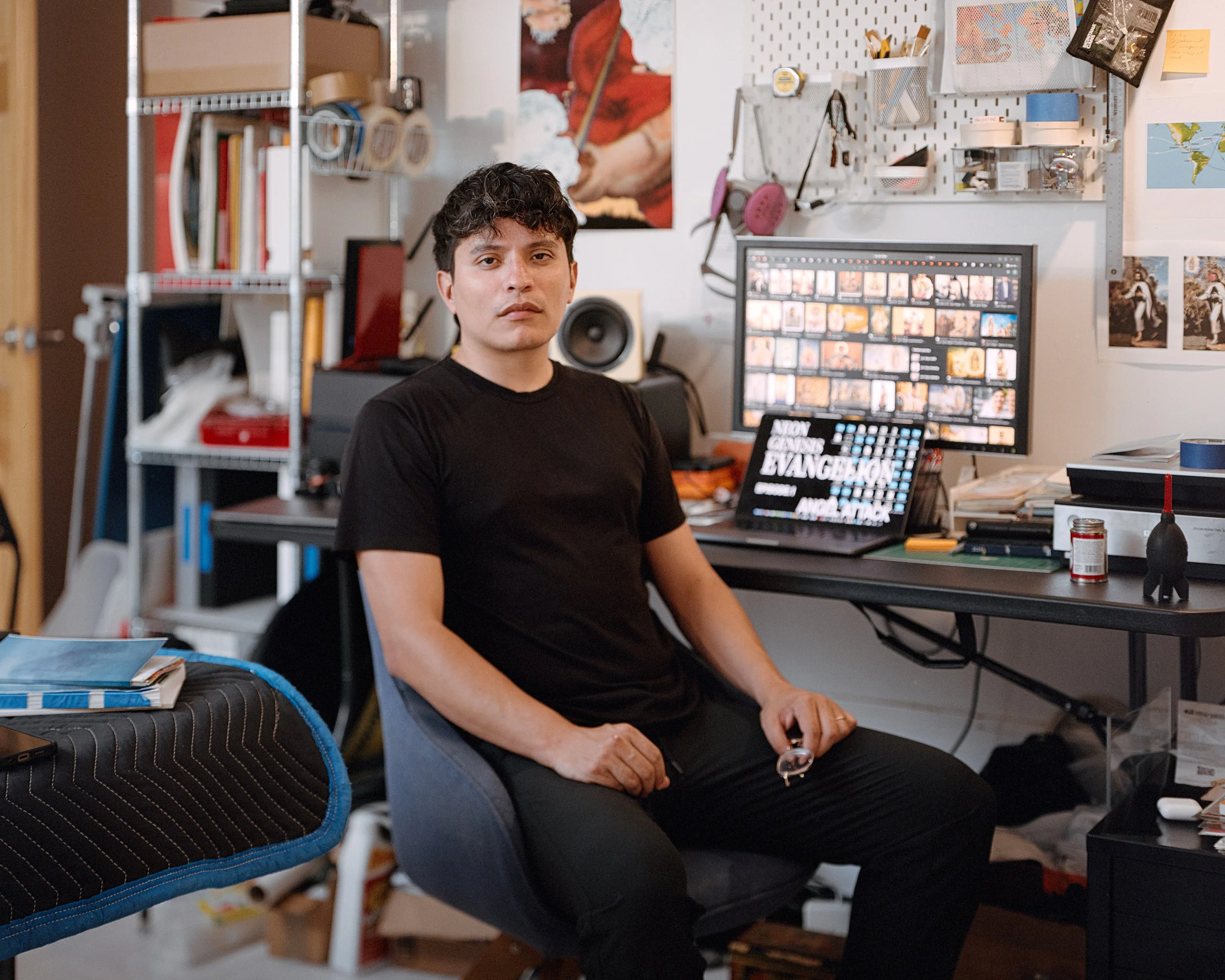
Charlie Perez-Tlatenchi is an interdisciplinary artist working across photography, painting, installation, and video. Rooted in the multicultural landscape of Sunset Park, Brooklyn, his practice examines the often-hidden narratives of globalization, migration, and colonial history. Through ongoing research and archival gathering, Perez-Tlatenchi traces the remnants of former empires and their continued presence in everyday life, transforming photography, video, printed matter, and street visual culture into layered works that shift with light and perspective. His work considers how communities navigate the enduring effects of global exchange and colonial legacies.
Born, raised, and based in Brooklyn, Perez-Tlatenchi received his MFA from Bard College and his BA from Reed College. His work has been exhibited throughout the United States and internationally, with recent presentations at Canal Projects, Electronic Arts Intermix, and the 4th Macao International Art Biennale.
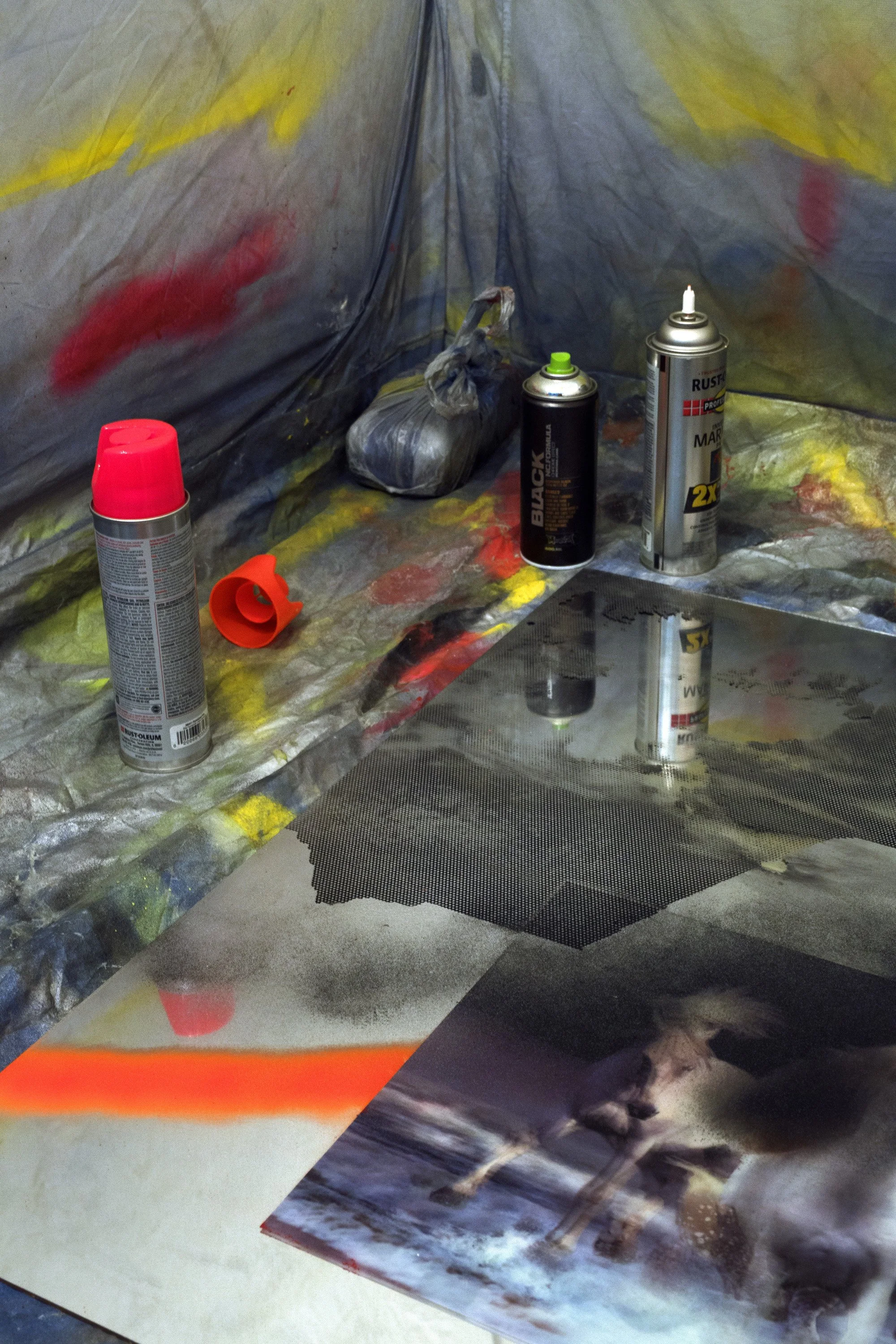
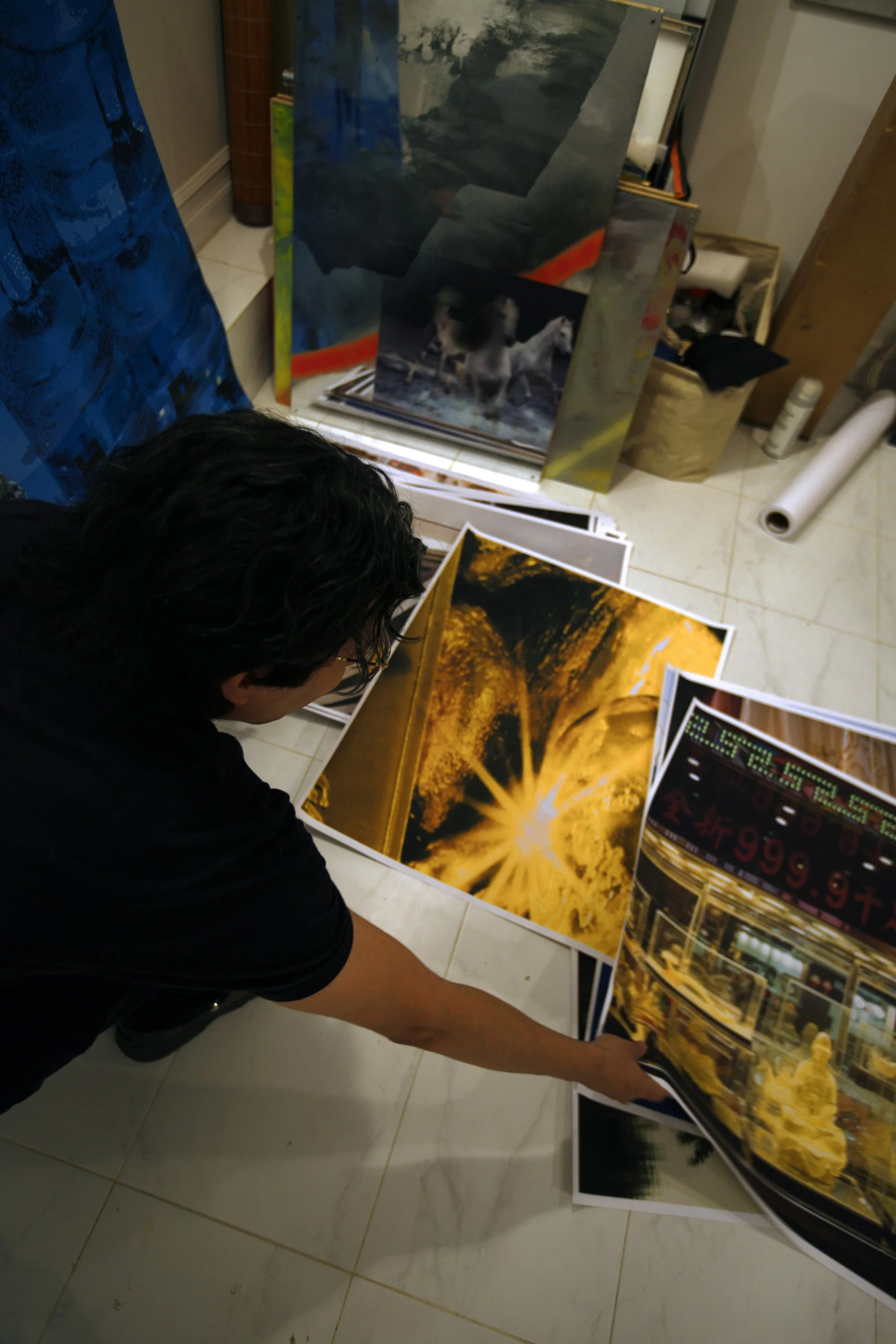
Perez-Tlatenchi’s multidisciplinary practice explores the intersections of migration, cultural exchange, and collective memory through photography, painting, printmaking, collage, and installation. Grounded in the intercultural landscape of Brooklyn’s Sunset Park, his work draws from diasporic histories, urban visual culture, archival material, and personal experience to consider how identities, histories, and communities are continually shaped by movement, displacement, and exchange.
Collage operates as both a material process and a conceptual framework within Perez-Tlatenchi’s practice. Through layering, fragmentation, and accumulation, he brings together varied images, narratives, and visual languages to explore the complex relationships among place, memory, and representation. As the artist explains, his work is driven by an interest in “layering knowledge, circulating images, segmenting landscapes, and fragmenting compositions,” producing spaces in which multiple histories and perspectives meet. His layered compositions invite viewers to consider how cultural memory is constructed, circulated, and continually transformed across generations and geographies.
Our Foundation’s grant, together with residency support from The Elizabeth Foundation for the Arts, will provide Perez-Tlatenchi with dedicated studio time and resources to deepen his research and develop a new body of ambitious, large-scale work. This support will allow him to expand the physical and conceptual scale of his practice while entering a period of focused experimentation, reflection, and long-term artistic development.
-
![]()
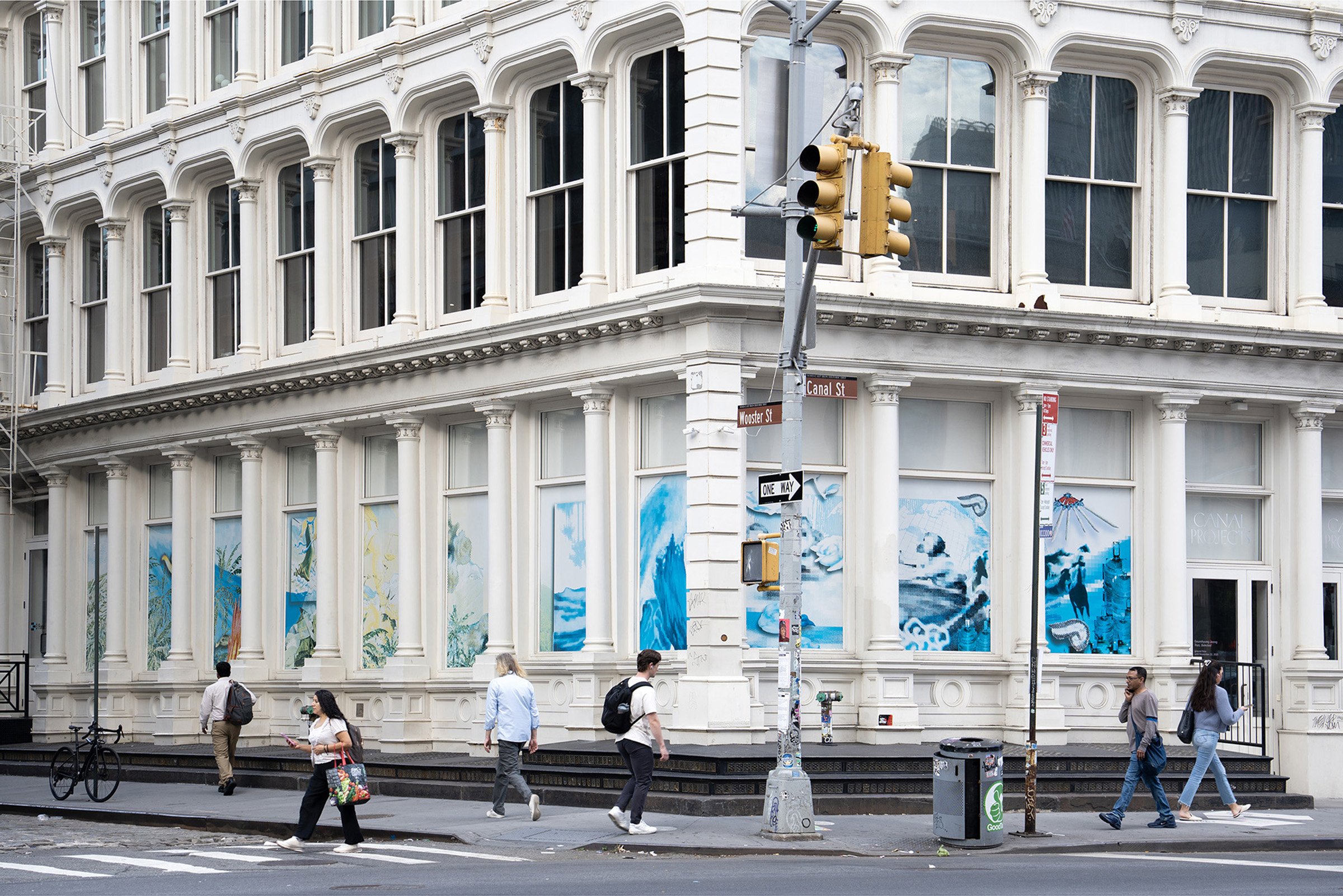
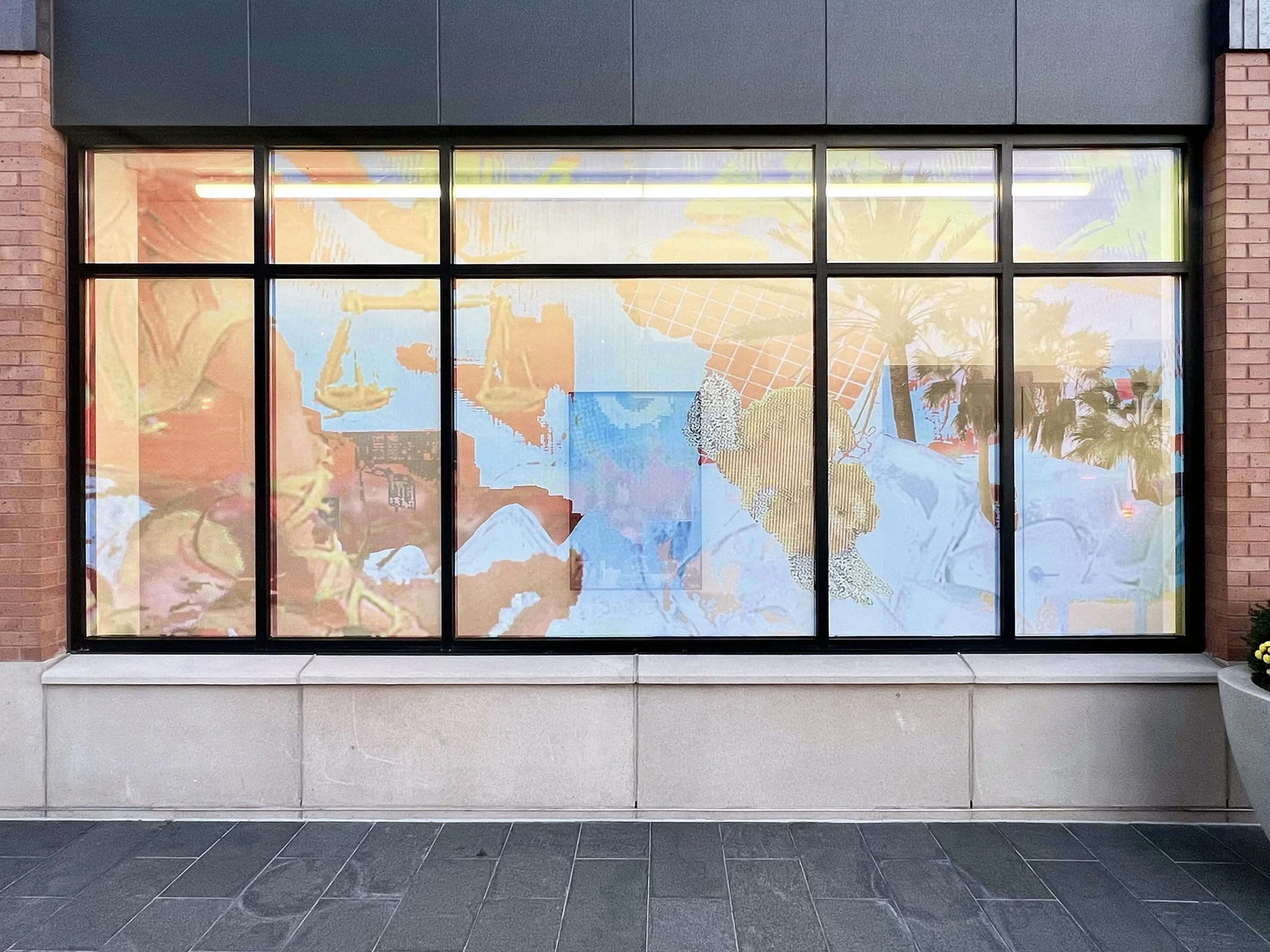
Triumphant Currents, Auspicious Winds (2025)
Dimensions variable
11 panels: perforated window vinyl, 3 video monitors (visible after sunset)Photo Credit: Matthew Li and Caroline Taylor Shehan
-
![]()
New List Item
Description goes here -
![]()
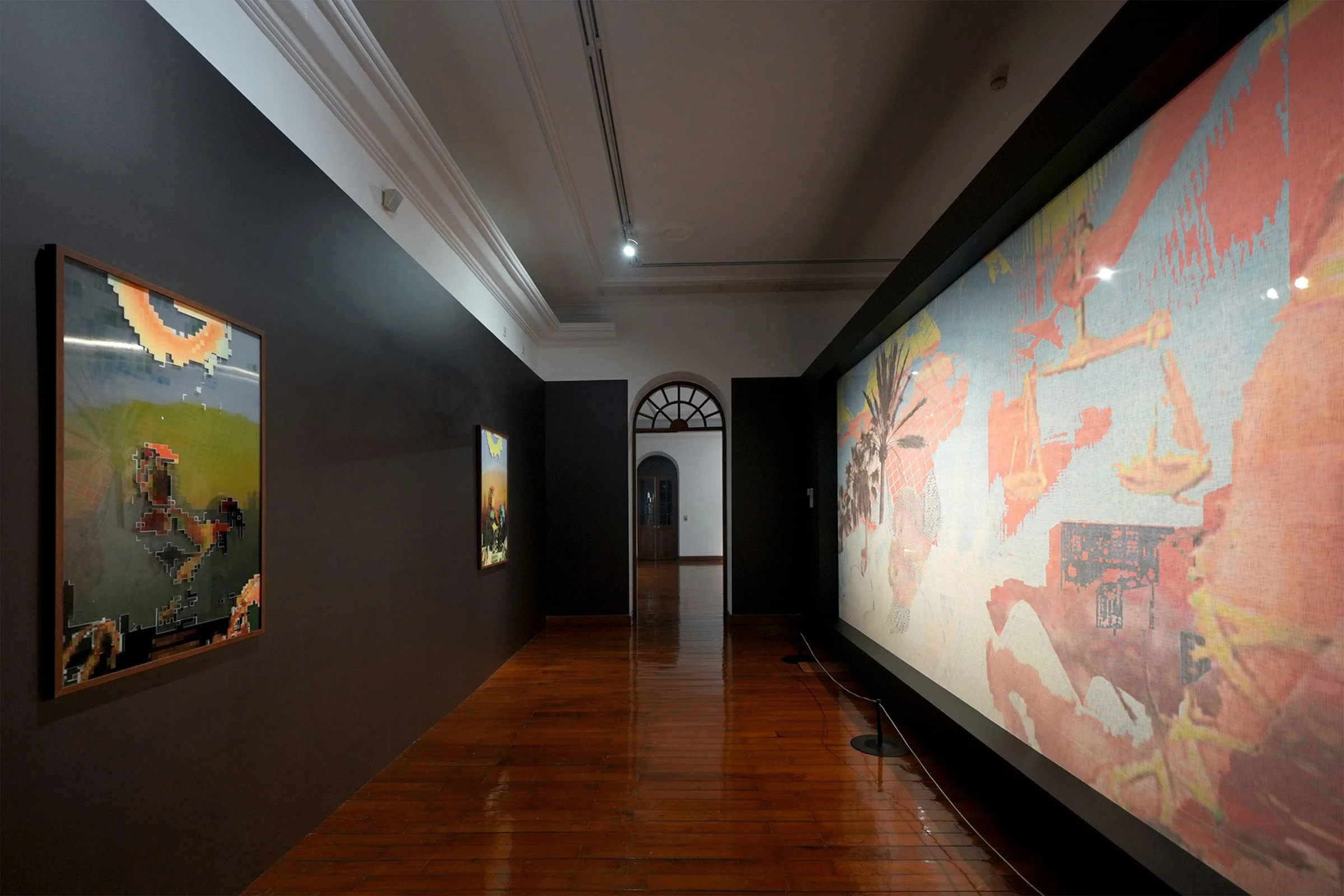
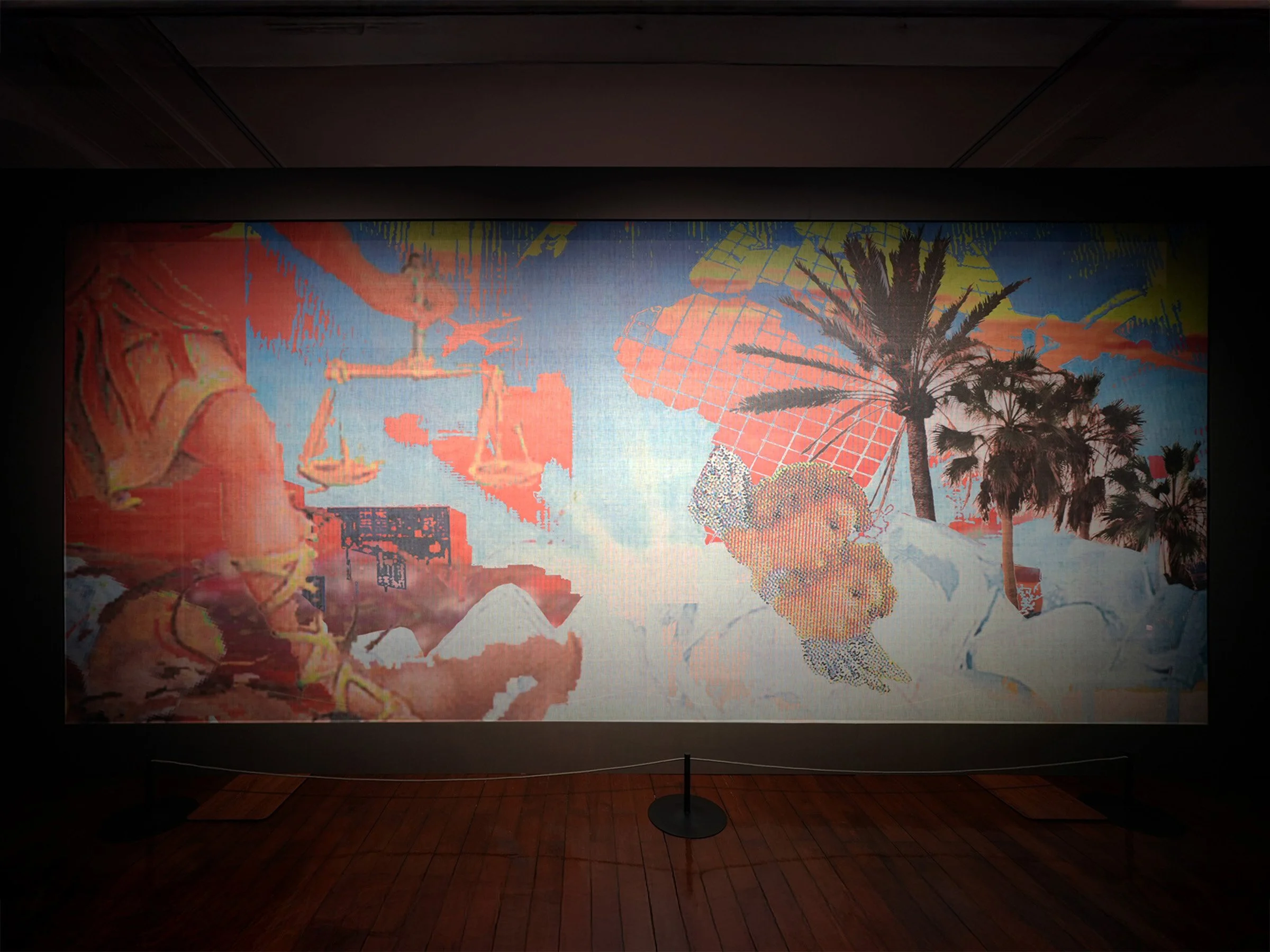
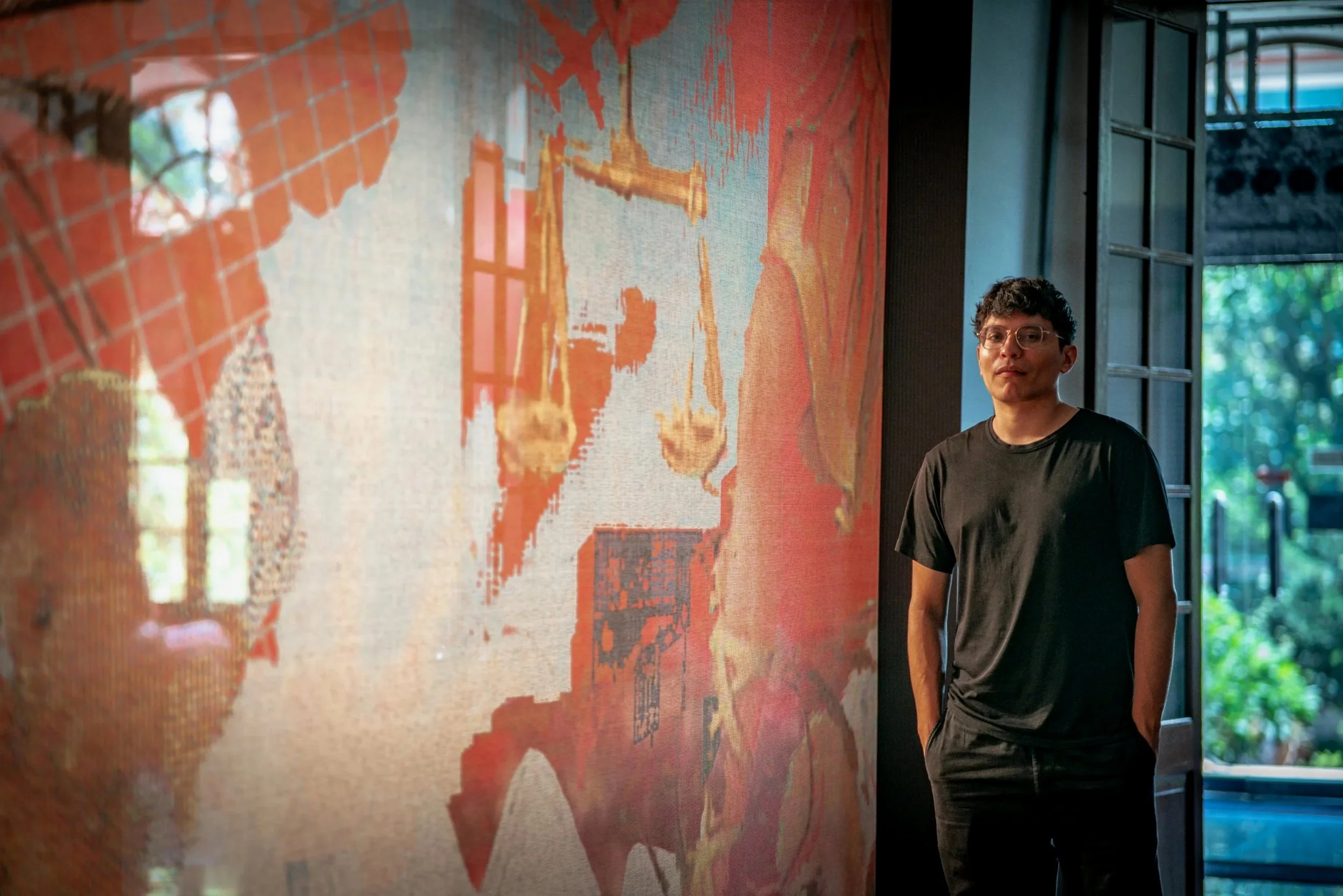
After Oriental Garden (2025)
Art Macao 2025: 4th Macao International Art Biennale
Casa Garden, Macao SAR, China
Photo Credit: O Chi Wai
-
![]()
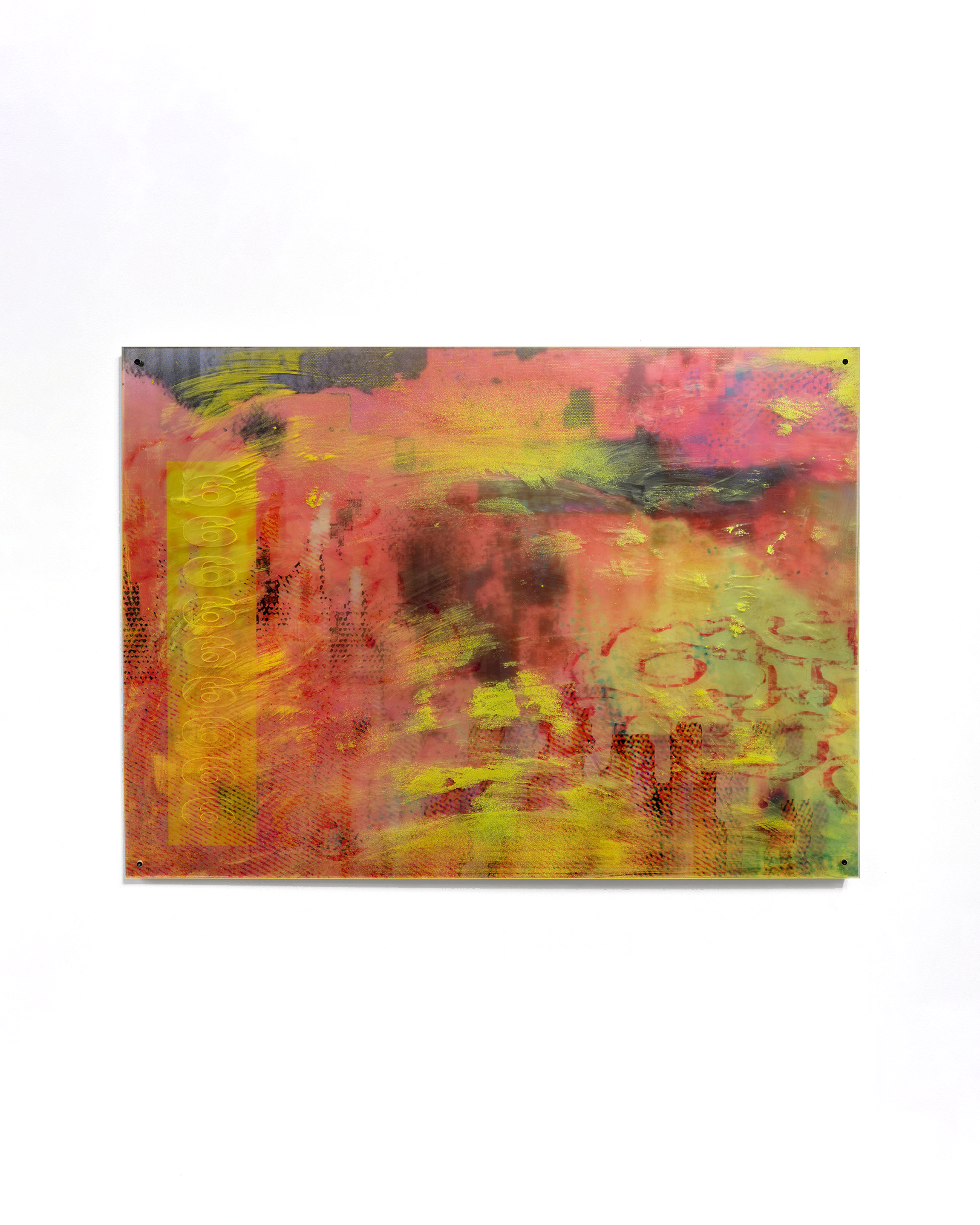
6八八66八八666八八66八八6 (2025)
34-1/2 x 48 inches
Lenticular print, spray paint, vinyl decals on plexi and plywood
Photo Credit: Max C. Lee
-
![]()
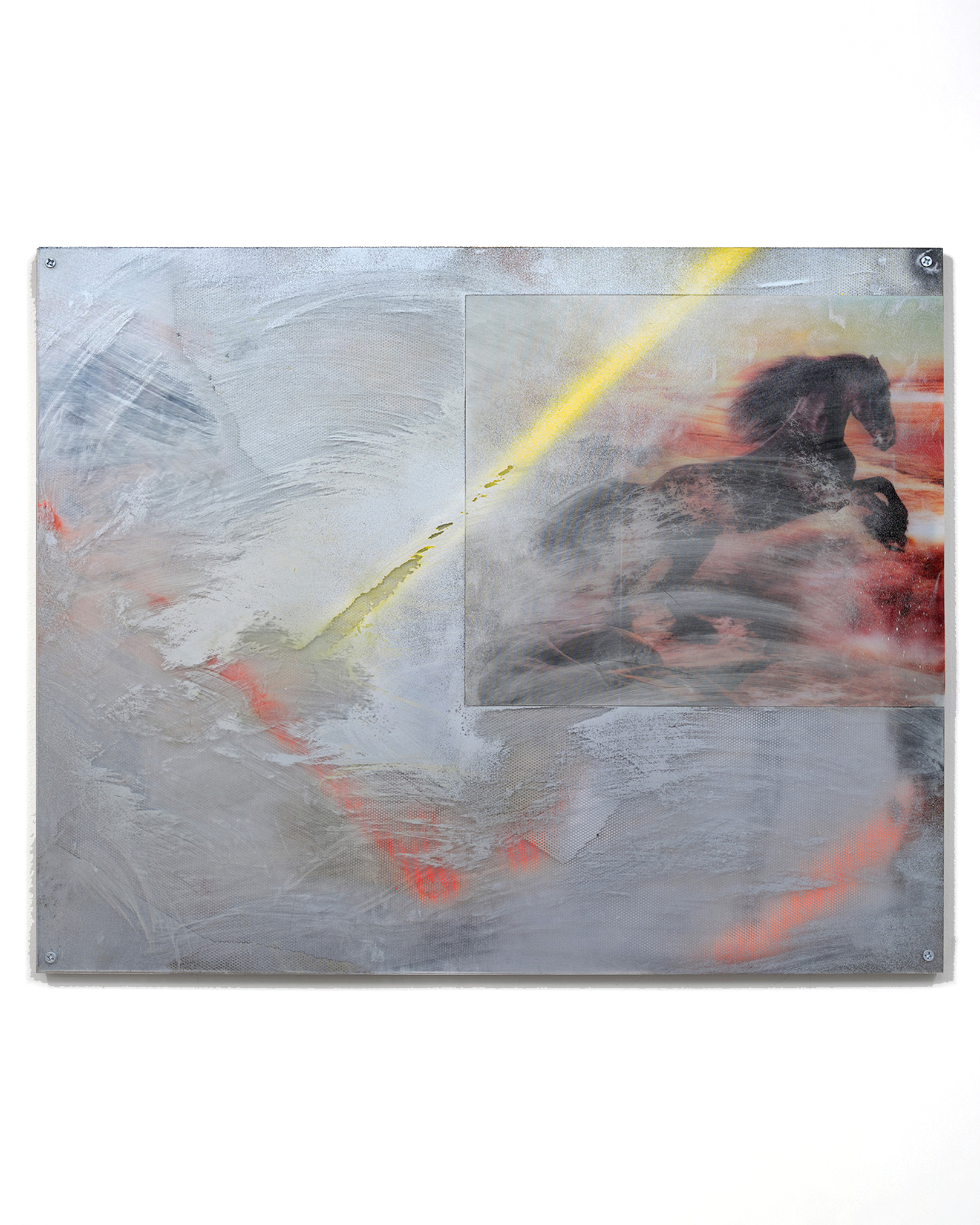
Más allá del alcance del cielo (新世界) (2025)
24 × 30 inches
Perforated vinyl, lenticular print, and spray paint on plexi and plywood
Photo Credit: Max C. Lee
-
![]()
Hasta que amanezca (2023)
Dimensions variable
Perforated window vinyl
Image courtesy of the artist, photo by Josh Shaddock